Delivery record

Your delivery, documented in one record.

Keep a record of which assets were delivered, the information supplied with them and the decisions made before the delivery was finalised.

A snapshot of what was on record.

The delivery record is built from the information in your project and sealed as a fixed version. It preserves the documented state of the delivery at that point, with a digital fingerprint and timestamp.

If the work changes, you can create a new record that supersedes the previous one. You can also record a revocation. The history shows what happened to each version.

It reads like end credits.

Who did what, which tools they used, whose permission they had and what limits apply. A document that makes sense outside the platform, without claiming more than the evidence supports.

ARIADNA SCREENDelivery record 0001Closed and sealed · Sample

Vendimia · 15-second ad, vertical cut

AI-generated image
Credential extracted
Background replaced
Declared by the supplier
Synthetic voice
Consent subject to conditions
AI-assisted dubbing
Human review recorded
Music
Undetermined
AI disclosure
Reels and TikTok

Limitations. A declaration is not independent verification. Technical provenance does not establish that a use is lawful.

Sealed on 14 Mar 2027 at 10:42 · Verify at verify.ariadnascreen.comsha256 0d13…2635
  • Asset fingerprints and credentialsSHA-256 fingerprints calculated and C2PA credentials read on upload, without modifying the original files.
  • Supplier declarationsSigned by each company and clearly identified as declared information.
  • Image and voice consentsTheir precise scope, with a history of requests and responses.
  • Rules and versions usedEach conclusion linked to its source and date.
  • Qualified electronic timestampRFC 3161 · Qualified trust service provider listed on an EU trusted list.

The contents depend on the information supplied and the reviews completed for the delivery. The record preserves those distinctions and flags outstanding issues and limitations.

The right level of detail for each recipient.

People receiving a delivery, reviewing its terms or retaining its documentation need different levels of detail. That is why each delivery record has four versions. Each contains the information needed for its purpose, allowing you to share what is relevant while keeping other documents and data confidential.

Verifying a delivery does not require publishing all its documentation.

Client

The information the client needs to review the delivery: assets and versions, intended uses, and a summary of checks, approvals and outstanding issues.

It shows the supporting information for the content received, without necessarily disclosing complete contracts or confidential supplier or talent information.

For example

Check a file without disclosing a contract.

A campaign may use the image or voice of someone whose contract contains confidential information.

A third party can check whether a file they have received matches one registered in a record available for verification, without accessing that contract. The client receives the information needed about the delivery and its documented uses. Authorised professionals can access the detail required for their review, while the complete documentation is retained in the Archive version.

A file match does not grant access to the supporting documents.

Clear about what we know and what we don’t.

Ariadna Screen does not certify content as lawful, authentic or AI-free. It records what information is available, where it came from and what is missing.

Provenance does not establish that a use is lawful

Knowing which tool created a file does not demonstrate that all necessary rights have been secured. Provenance, licences, consents and decisions are recorded separately.

A missing credential is not conclusive

The absence of a C2PA credential or watermark does not establish that content was created by a human, is fake or is unlawful. It means that particular evidence is unavailable.

An inference is not proof

An indicator is never a conclusion. Each result shows the data and rules behind it.

A declaration still needs assessment

Each declaration is identified as declared information, with a record of who signed it and when. Legal reviewers assess whether it is sufficient. A complete record supports that assessment with the available evidence and preserves the decisions made.

A PDF for reference. Data for verification.

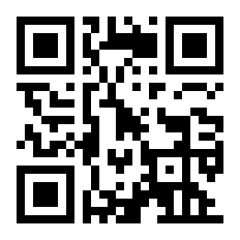
Download a readable PDF version and its associated data. The link and QR code provide access to the Public version and the record’s current status.

Anyone with a file can check whether it matches one included in the record. The comparison uses the file’s digital fingerprint.

Check a file
  1. File…
  2. Digital fingerprint…
  3. Result…

What the check establishes.

A matching fingerprint identifies the registered file. The record shows the information included when it was sealed, along with its current status.

The record does not replace legal review or establish the factual accuracy of the content or the validity of the rights. It makes the supporting information and its limitations visible.

A documented answer when someone asks.

Whether you’re handing work over to a client, supporting a legal review, responding to an insurer’s enquiry or adapting content months later, keep a shared reference for what was delivered and the documentation supplied with it.